Winter tips
How to stay warm outside in a UK winter
How to stay warm outdoors in a British winter: layering, wind and rain, hands, feet and head, food and drink, heated clothing and cold weather warning signs.
A British winter often does not look that cold on paper, but it has its own way of getting through your clothes. Temperatures often sit a few degrees either side of freezing, the wind blows, and it is often damp. That mix catches people out: you dress for 4 degrees and spend the afternoon shivering.
This guide covers the basics of staying warm outdoors in UK weather, from layering to food, and where heated clothing makes the biggest difference. It ends with the cold weather warning signs every family should know.
Why the cold feels colder than the forecast
Two things make UK cold bite: wind and wet.
The Met Office explains that our skin warms a thin layer of air right next to it. Wind strips that layer away, so the skin cools faster and we feel colder than the thermometer suggests. That is wind chill, and it is why the Met Office gives a feels like temperature next to the air temperature. In the UK, its wind chill measure is based on how much heat a person's bare face loses at a walking speed of 3 mph. On a windy winter day, the feels like figure can be several degrees below the actual temperature.
Damp works against you too. Wet clothing pulls heat away from your body, which is why the first step in NHS first aid for hypothermia is to remove wet clothing.
So staying warm in the UK is less about thickness and more about keeping the wind and the wet out.
Layering: base, mid and outer
The government's Keep Warm Keep Well advice on GOV.UK says that several layers of thinner clothing could keep you warmer than one thicker layer. Layers trap warm air between them, and you can take one off when you warm up instead of overheating and then getting cold in your own sweat.
A simple three-layer system:
- Base layer. Next to the skin. A thin, close-fitting long-sleeved top, for example merino wool or a synthetic sports fabric.
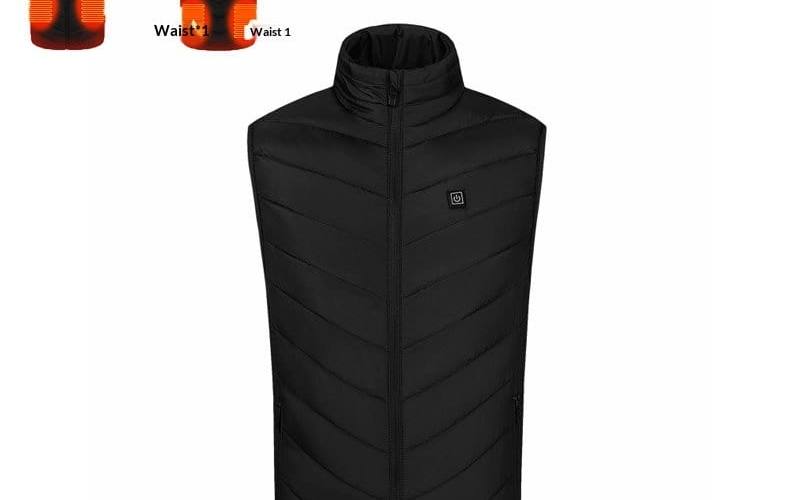
- Mid layer. The warm bit. A fleece, a jumper or a padded gilet. This is also where a heated gilet fits: under your coat, close to your core.
- Outer layer. The shield against wind and rain. A waterproof or windproof jacket that is roomy enough to fit over the other layers without squashing them.
A heated jacket can work as a mid and outer layer in one on a dry day. Our guide heated gilet vs heated jacket explains when each makes more sense.
Keep your core warm
Your chest, back and stomach hold your vital organs, and keeping that area warm is where most layering effort goes. A gilet is a neat way to add warmth there without bulky sleeves, which is why so many people wear one under a coat for dog walks, touchlines and outdoor work.
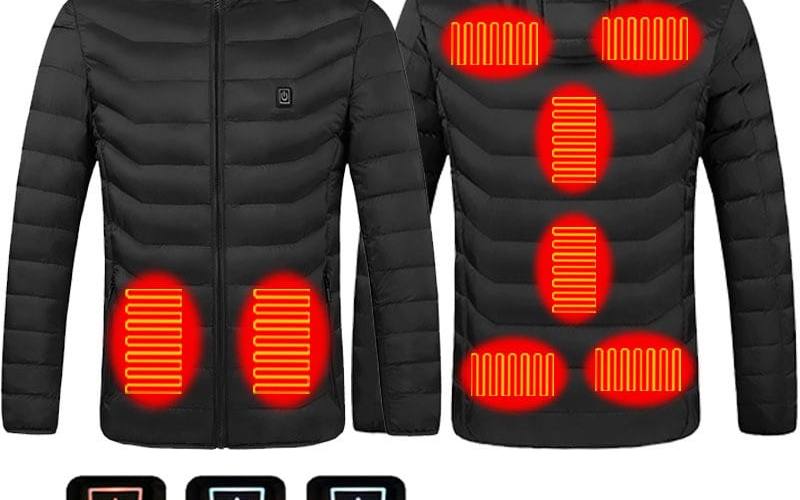
If you add heat, put it where the core is. Our 9-zone heated gilet has heating pads at the collar, back and front and runs from a separate USB power bank. Plan the power with how long does a heated jacket last?.
Hands, feet and head
These are the parts that tell you first that you are cold.
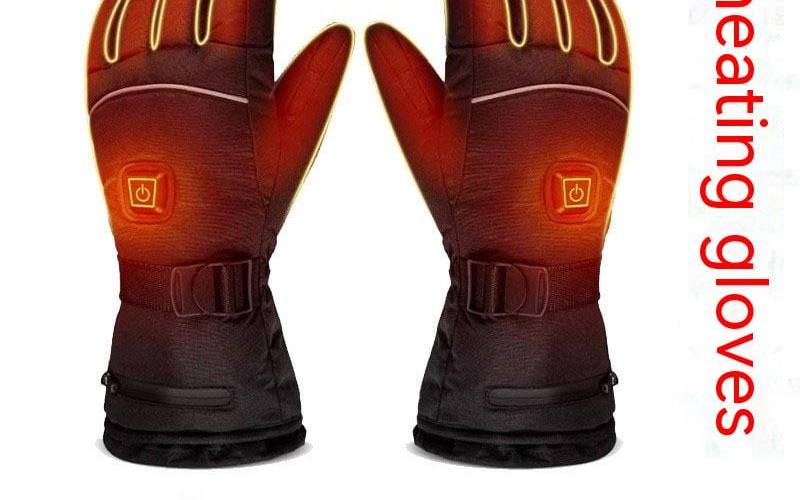
- Hands. Put gloves on before you go out, not once your fingers have gone numb. Thin gloves under thicker ones give you a layering system for your hands too. Heated gloves help when you have to stand still or hold something cold. Our guide heated gloves for cycling, motorbikes and walking explains which type suits what.
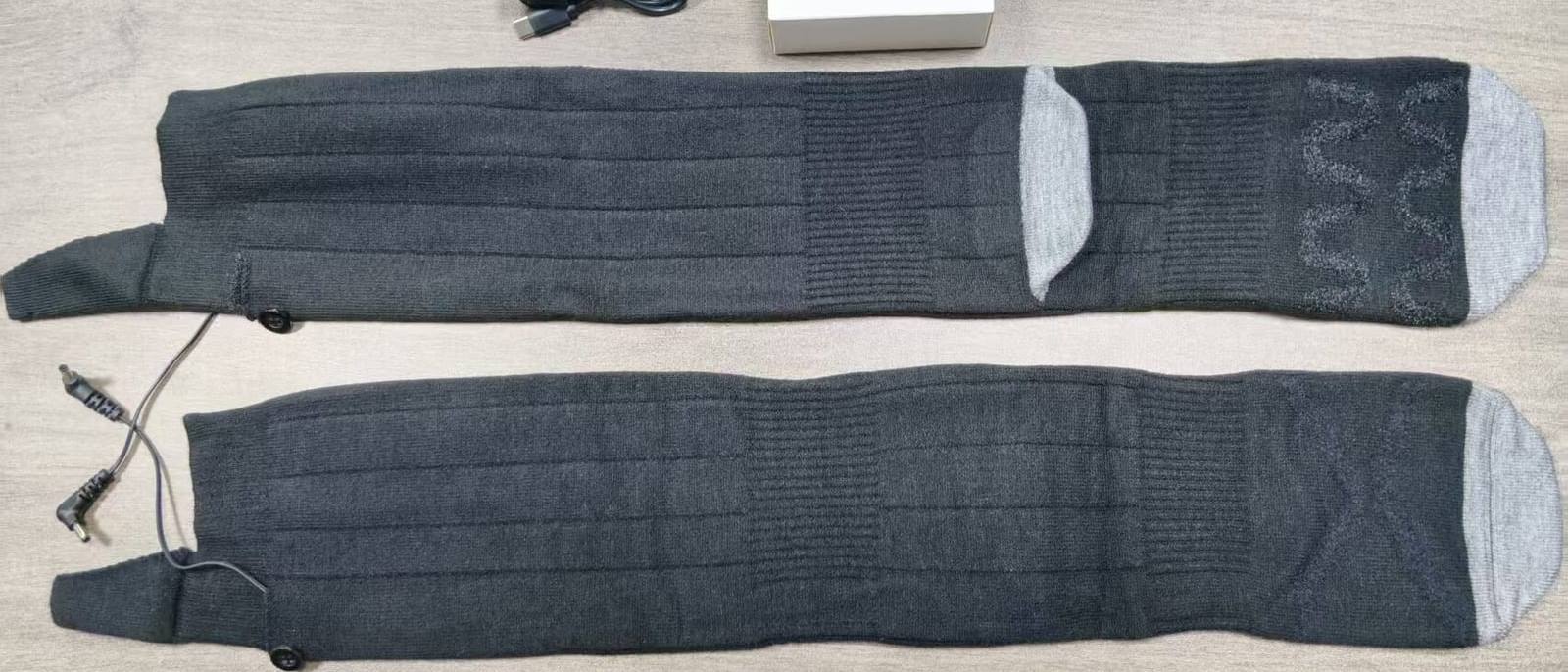
- Feet. Wear dry socks, and pack a spare pair on wet days. Boots that are too tight squeeze the toes and make them colder, so leave a little room for a thicker sock. For long waits in the cold, heated socks put warmth round the toes, where feet usually get cold first.
- Head and neck. A hat and a scarf or neck warmer close the gaps at the top of your coat where warm air escapes.
Footwear also matters for safety: the same GOV.UK advice is to wear shoes with good grip to avoid slips and falls on slippery or icy surfaces.
Move, eat and drink
Your body makes heat when it works. When you can, keep moving: stamp your feet, walk up and down the touchline, swing your arms. The GOV.UK advice is to try not to sit still for more than an hour or so, and notes that stretching your arms and legs can also help keep you warm.
Eat before you go out and take food with you for long days outside. A flask of a hot, non-alcoholic drink is a good companion on a cold afternoon. Alcohol is not a way to warm up: NHS advice for someone with hypothermia is not to give them alcohol to drink.
When heated clothing helps most
Heated clothing is at its best when you cannot move much. Some examples:
- watching a football or rugby match, or standing on a cold sideline at junior training,
- sitting on the bank fishing or in a bird hide,
- waiting at a bus stop, the school gate or a station platform,
- working outside on a market stall, on site or in a yard.
On a brisk walk, a run or a bike ride, you make plenty of heat yourself. Heated clothing then works best on a low setting or switched off, ready for when you stop.
A good set-up for long, still days is a heated gilet under a windproof coat, heated socks with 4000 mAh batteries in roomy boots and rechargeable heated gloves. Our jackets and gilets do not come with a power bank, so make sure you have one charged, such as our 10,000 mAh power bank.
Know the warning signs of hypothermia
Hypothermia is when the body temperature drops too low. The NHS lists these symptoms:
- shivering,
- pale, cold and dry skin,
- skin and lips that may turn blue or grey,
- slurred speech,
- slow breathing,
- tiredness or confusion.
If you think someone has hypothermia, the NHS says to call 999 or go to A&E. While you wait for help, its advice is to move the person indoors or somewhere sheltered as quickly as possible, remove any wet clothing, wrap them in a blanket, sleeping bag or dry towel with their head covered, and give them a warm non-alcoholic drink and something sugary if they are fully awake. Stay with them and keep them talking.
The NHS also lists what not to do: do not use a hot bath, a hot water bottle or a heat lamp to warm them up, do not rub their arms, legs, feet or hands, and do not give them alcohol.
Who is most at risk from the cold
The NHS lists the people most at risk from cold weather, including people aged 65 and older, babies and children under 5, people with a long-term health condition, people with a disability, pregnant women and people with a mental health condition. If someone you know is in one of these groups, check on them during cold spells.
Check the cold weather alerts
In England, the UK Health Security Agency and the Met Office run a Cold-Health Alerting system. Its core period is 1 November to 31 March. Alerts are coloured yellow, amber or red depending on how serious the effects of the cold could be and how likely they are. A red alert means a significant risk to life even for healthy people. You can register on GOV.UK to get the alerts by email.
The Met Office also issues weather warnings for snow and ice. Check both before a long day outside, and dress for the feels like temperature, not just the number on the forecast.
Before you buy heated clothing
Check the fit first: our jackets and gilets are cut to Asian sizes and come up small, so read the heated clothing size guide. And when the muddy season is over, how to wash heated clothing explains how to clean everything safely.
Frequently asked questions
What is the best way to stay warm outside in winter?
Wear several thinner layers rather than one thick one, keep the wind and rain out with an outer layer, and cover your hands, feet and head. The government's Keep Warm Keep Well advice on GOV.UK says several layers of thinner clothing could keep you warmer than one thicker layer. Keep moving where you can, and add heat where you stand still for long.
Why does UK cold feel colder than the temperature?
Mostly because of wind and damp. The Met Office explains that wind takes away the thin layer of warm air next to your skin, so you feel colder than the air temperature suggests. Its feels like temperature includes this wind chill.
Is heated clothing worth it for walking?
On a brisk walk you make plenty of heat yourself, so a heated jacket or gilet often runs on a low setting or not at all. Heated clothing helps most when you stand or sit still: at a match, fishing, at a bus stop or working outside.
What are the signs of hypothermia?
The NHS lists shivering, pale, cold and dry skin, skin and lips turning blue or grey, slurred speech, slow breathing, and tiredness or confusion. If you think someone has hypothermia, the NHS says to call 999 or go to A&E.