Heated gloves
Heated gloves for cycling, motorbikes and walking
Which heated gloves suit cycling, motorbike riding, dog walks or a cold touchline? Battery and 12V gloves, warmth against feel, and what to check first.
Cold fingers can end a walk, a ride or a match long before the rest of you has had enough. Heated gloves fix that by putting a little warmth exactly where it is lost first. But a glove that is perfect for a frozen touchline can be the wrong choice on a bike, and neither may be right on a motorbike.
This guide explains how heated gloves work, what matters for each activity and which of our heated gloves fits where.
How heated gloves work
A heated glove has a thin heating element running through it, usually along the back of the hand and into the fingers. Each glove has its own small rechargeable lithium battery and a button to switch the heat on and choose a setting. There is no cable between the gloves and nothing to plug into your coat.
There are two common battery layouts:
- A battery pack in a cuff pocket. The pack plugs into a short lead inside a zipped pocket at the cuff. You take the packs out to charge them, and you can carry a spare set.
- A battery built into the cuff. Lighter and neater, with nothing to lose. You charge the glove itself through a USB cable.
Both kinds charge from a USB charger or a power bank. Some motorcycle gloves work differently: they run on 12 volts from the bike, which we cover below.
The two kinds we sell
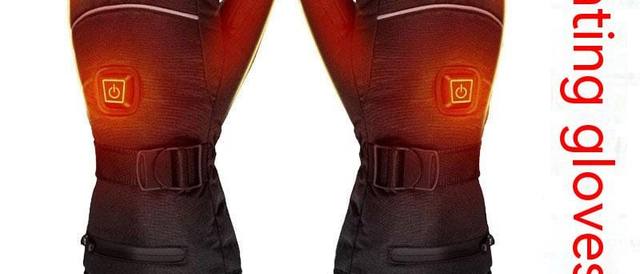
Heated ski gloves with 5000 mAh batteries. Padded gloves made of artificial leather and fabric, which the supplier lists as waterproof. The heating runs through the fingers and the back of the hand. A 5000 mAh battery pack sits in a zipped pocket on each cuff, and a wrist strap and a cuff drawcord keep the cold out. The supplier lists one size, L.
Rechargeable heated gloves with heated fingers. Thin suede-velvet gloves with a 3000 mAh lithium-ion battery built into the cuff. The supplier says they heat the fingers and the back of the hand, with no heat in the palm, and have three heat levels. The thumb and index fingertips fold back, so you can use a phone without taking the gloves off.
The short version: the ski gloves are warmer and more weatherproof, the finger gloves give you more feel and are easier to wear all day.
Walking and dog walks
On a walk you make heat as you move, so your core usually stays warm. Hands are different: they hang still, hold a lead or a phone and catch the wind. That makes walking a good job for heated gloves, but not always the thickest ones.
- For brisk walks and dog walks, the finger gloves are usually enough. They are thin enough to clip a lead, pick up after the dog and use your phone, and the heated fingers deal with the bit that gets coldest.
- For long, slow winter walks on the hills, wet days or walks with lots of stops, the ski gloves make more sense. The padding keeps you warm even with the heat off, and the long cuff seals against a coat sleeve.
Standing still: football, fishing and the school gate
Standing still is where heated gloves really earn their place. Watching a match from the touchline, sitting on the bank fishing, waiting at the school gate or working outside at a market stall, your body makes very little heat and your hands get cold fast.
For these, the padded ski gloves are the better choice. Combine them with a warm core layer, such as a heated gilet under your coat, and heated socks for your feet, and you have covered the three places that usually give up first. Our guide how to stay warm outside in a UK winter has more on dressing for long cold waits.
Cycling
On a bike, two things pull against each other: warmth and feel.
- Feel on the brakes and gears matters most. You need to grip the levers firmly and reach them quickly. Thick padded gloves make that clumsier, especially with small brake levers. Try any glove on your own bike, at a standstill, before you ride in traffic.
- Wind is the problem, not just the temperature. At riding speed, cold air moves over your hands all the time. A thin glove with heat on the fingers and the back of the hand works well here, because that is where the wind hits.
- Cuffs matter. A gap between glove and sleeve lets cold air in at speed. Tuck the cuff under or over your jacket sleeve.
For most commuters and winter road riders, the thinner finger gloves are the better fit. The fold-back fingertips also help when you need a map or a ticket on your phone. For slow, cold rides off road, some riders prefer more padding: the ski gloves are warmer, but check the braking feel first.
Motorbikes
Riding a motorbike is a different case, because gloves are also there to protect your hands in a fall.
Gloves sold as motorcycle protective equipment are tested to the European standard EN 13594, protective gloves for motorcycle riders. According to the testing body SATRA, the standard covers areas such as abrasion resistance, cut and tear resistance, seam strength and how well the glove stays on your wrist. It has two levels: knuckle impact protection is optional at level 1 and required at level 2.
Our heated gloves are winter gloves, not certified motorcycle gloves, so we do not sell them for riding. They are fine for the walk to the bike or for standing around at a meet, not for the ride itself.
For riding, look for heated gloves that are certified as motorcycle gloves. Many riders use 12 volt heated gloves that run from the bike's own electrics. These usually come with a fused harness that connects to the motorbike battery and a cable that splits to each glove, often with a controller to set the heat. Others use battery heated motorcycle gloves. Either way, check the certification label before you buy.
Raynaud's and very cold hands
Some people's hands get cold more than others. The NHS describes Raynaud's as a condition affecting blood circulation, where fingers and toes can change colour when you are cold, anxious or stressed. Its self-care advice includes keeping your home warm, wearing warm clothes in cold weather, especially on your hands and feet, and trying to avoid sudden changes in temperature.
We cannot tell you whether heated gloves will help with any medical condition. If you have numbness or reduced feeling in your hands, start on the lowest setting and check your skin now and then, because you may not notice if something is getting too hot. The NHS advises seeing a GP if Raynaud's symptoms are very bad, getting worse or affecting your daily life.
Getting the most from the battery
- Charge fully before you go out. A half-charged battery runs out at the worst moment.
- Start low. Put the gloves on early, before your hands are cold, and use a lower setting. It is easier to keep warm hands warm than to rewarm cold ones.
- Keep spare packs warm. With the ski gloves you can carry a second pair of battery packs in an inside pocket.
- Switch off indoors. It sounds obvious, but heat left on in a café uses battery you will want on the way home.
Our guide how long does a heated jacket last? explains how battery capacity and power use decide running time. The same maths applies to gloves.
Sizing and fit
A heated glove only works if the heating element sits against your fingers. Too big, and there is a cold gap at the fingertips. Too tight, and the gloves squeeze your hands and feel colder.
The supplier lists the ski gloves in size L and gives no hand measurements, so they suit average to large hands. The finger gloves are listed as one size. For jackets and gilets, which come up small, see our heated clothing size guide. And when the gloves need cleaning, read how to wash heated clothing first.
Frequently asked questions
Are heated gloves good for cycling?
Thin heated gloves work well on a bike because you keep the feel on the brakes and gear levers. Thick ski-style gloves are warmer when you stop, but they make braking and shifting clumsier. Whatever you choose, make sure you can grip the brake levers firmly before you ride.
Can I use battery heated gloves on a motorbike?
Only if they are made and certified as motorcycle gloves. Gloves sold as motorcycle protective equipment are tested to the standard EN 13594. Our heated gloves are winter gloves, not motorcycle gloves, so we do not sell them for riding.
How long do heated glove batteries last?
It depends on the setting, the battery size and the cold. The highest setting drains the battery fastest. Charge the batteries fully before you go out, start on a lower setting and turn it up when you need to.
Do heated gloves help with Raynaud's?
We cannot give medical advice. The NHS advises people with Raynaud's to wear warm clothes in cold weather, especially on the hands and feet, and to see a GP if symptoms are bad, getting worse or affecting daily life. If your hands feel numb, use a low setting and check your skin, because you may not notice if something is too hot.