Outdoor work
Heated jacket for work: heated clothing for outdoor jobs
Heated clothing for outdoor work: what HSE says about the cold, heat under hi-vis, gilet or jacket, heated gloves for work, battery for a shift and safety.
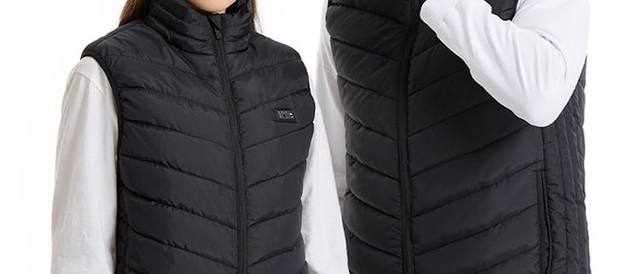
A heated jacket for work, or a heated gilet, can make a winter shift outside much easier to bear, as long as you treat it as an extra layer of warmth and not as protective kit. Wear it under your hi-vis or waterproof, keep the power bank in its pocket, and plan the battery for the length of your day. This guide covers what HSE says about working in the cold, layering, gloves, battery time and safety on site.
What HSE says about working in the cold
HSE does not set a minimum temperature for outdoor work. Its guidance on temperature in the workplace explains:
- The minimum of 16°C (or 13°C where much of the work involves rigorous physical effort) comes from the Approved Code of Practice for indoor workplaces.
- Under the Management of Health and Safety at Work Regulations, temperature is one of the risks employers should assess, whether the work is done indoors or outdoors.
- On construction sites, the Construction (Design and Management) Regulations say that where the site is outdoors, protection from adverse weather must be provided.
For cold outdoor work, HSE lists practical steps such as making sure the PPE issued is appropriate, providing mobile facilities for warming up with soup or hot drinks, more frequent rest breaks, and making sure workers can recognise the early symptoms of cold stress.
Heated clothing adds to that. It does not replace breaks, a warm cabin or the kit your employer provides.
Heated clothing is not protective kit
Our heated jackets and gilets are not hi-vis, not sold as waterproof and not sold as protective equipment of any kind. Our heated gloves are winter gloves, not safety gloves. HSE gives safety helmets, gloves, high-visibility clothing and safety footwear as examples of PPE, and says employers must provide PPE free of charge if a risk assessment shows it is needed.
So the order is simple: the PPE your job requires goes on first and stays visible, and the heated layer sits underneath.
Layering under hi-vis and waterproofs
HSE guidance on high-visibility clothing says wet or cold weather clothing should have suitable hi-vis qualities or be capable of being worn under hi-vis garments. Our heated clothing is black, so it goes under.
A set-up that works for most outdoor jobs:
- Base layer. A thin long-sleeved top next to the skin.
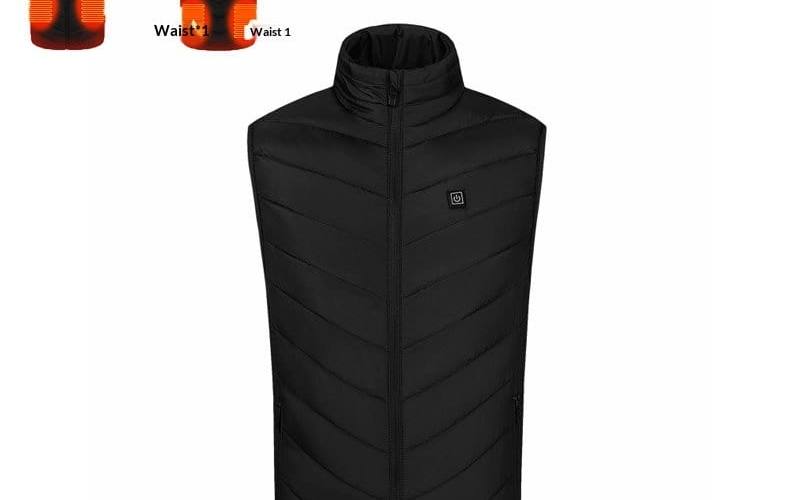
- Heated gilet. Over the base layer or a thin jumper, close to your body, where the heating pads work best.
- Hi-vis and waterproof. Your work jacket, hi-vis vest or waterproof on top. It keeps the wind and rain off, which lets you run the heat on a lower setting.
Two things to check:
- Fit. Our gilets and jackets are cut to Asian sizes and come up small: the maker says 1 to 2 sizes smaller than UK sizes, and buyer reviews say 2 to 3. Choose by the chest measurement in centimetres, then make sure your work jacket still closes over the top without squashing the gilet flat. Each size is a separate product: the 9-zone heated gilet in size XL is one, and sizes L to 4XL are all in the heated gilets category.
- Access to the button. The gilet's single button is on the chest. Under a zipped work jacket you set the heat before you zip up, or open the top of the jacket to change it.
Gilet or jacket at work
| Your work | Our pick | Why |
|---|---|---|
| Building sites, scaffolding, trades | Gilet | Free arms, fits under a work jacket and hi-vis |
| Farms and yards | Gilet | Free arms for lifting and handling, under a waterproof |
| Deliveries and van work | Gilet | In and out of the cab all day, nothing bunching at the elbows |
| Gardening and grounds work | Gilet | Bending, digging and reaching |
| Market stalls and standing jobs | Jacket, or gilet under a big coat | Hours standing still with arms in the cold |
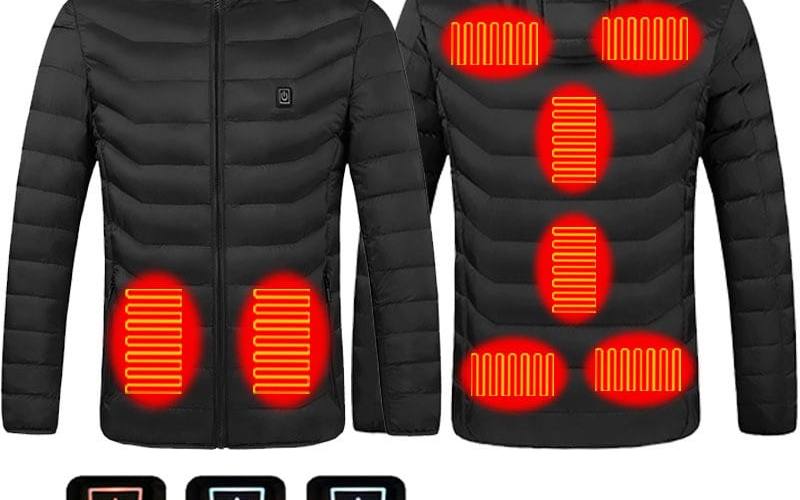
A gilet keeps the heat on your core and leaves your arms free. Our heated jackets add sleeves and a hood, which suits work where you stand still for hours more than work where you lift and reach. The jacket comes in sizes L to 5XL. Our guide heated gilet vs heated jacket compares the two in detail.
Heated gloves for work: warmth against feel
Cold hands are clumsy hands. HSE explains that exposure to cold can lead to decreased blood flow to the hands, decreased sensation and dexterity, and decreased maximum grip strength. It also notes that thick gloves can make handling more difficult and mean you need more force to grip.
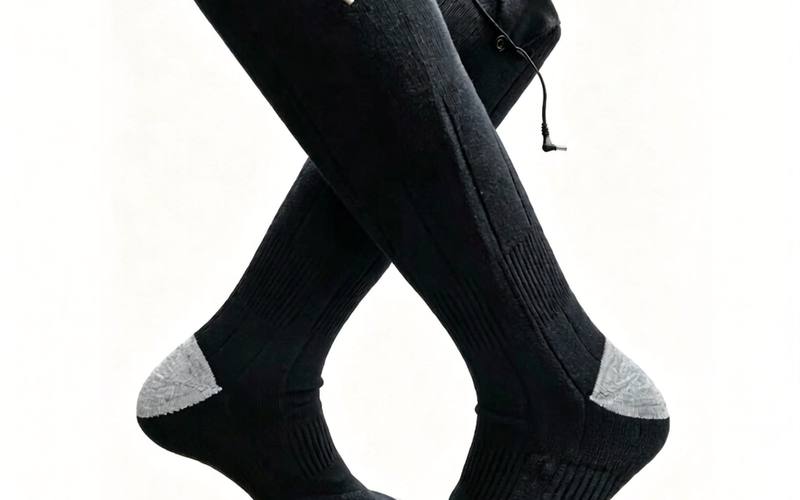
That is the trade-off with any winter glove: warmth against feel. Our rechargeable heated gloves with heated fingers are the thinner of our two gloves. The heat runs along the fingers and over the back of the hand, and the palm is not heated, which keeps your grip and feel. The thumb and index fingertips fold back so you can use a phone or other touchscreen. The 3000 mAh battery is built in, with three heat levels; the supplier gives no battery time for this model.
Their limits matter at work. They are thin everyday gloves, not sold as cut, impact or chemical resistant gloves. Where your job needs that protection, wear the gloves your employer specifies.
If you use vibrating tools, HSE says gloves and other warm clothing can help protect you from the cold and help maintain circulation, because low hand or body temperature increases the risk of finger blanching. It also advises more than one set where gloves or clothing are likely to get wet, and says gloves and clothing should not stop you working safely or present a risk of entanglement with moving parts of machinery.
Getting through a shift: battery time
Our gilets and jackets run from a 5V USB power bank, which is not included. The supplier figures from a 10,000 mAh power bank:
| Garment and setting | Supplier's battery time |
|---|---|
| Gilet, warm | 4 to 6 hours |
| Gilet, comfort | 6 to 8 hours |
| Gilet, energy saving | 8 to 10 hours |
| Jacket (setting not stated) | Up to 8 to 12 hours |
An 8 hour shift plus your travel to and from work is longer than the warm setting lasts. Three habits get you through:
- Start high, then turn down. Use warm to take the chill off at the start, then drop to comfort or energy saving once you are working.
- Switch off in the cab, the canteen and the site cabin. You do not need heat indoors.
- Carry a spare. A second charged power bank, swapped at lunch, gives you a fresh charge for the afternoon.
Our 10,000 mAh power bank has the USB-A socket the gilet and jacket need, a display that shows the charge left, and built-in USB-C and Lightning cables for your phone. Cold weather cuts the time any battery gives you; our guide how long does a heated jacket last? explains why and how to work out the hours.
Battery safety on site
- Keep it tucked in. Keep the power bank and USB lead inside the pocket, with the pocket closed, so nothing hangs loose near machinery.
- Keep it dry. Essex County Fire and Rescue Service says batteries should be protected from being crushed, punctured or put in water, and should not be used if they look physically damaged. If a power bank is dented, swollen or has been soaked, stop using it.
- Charge it safely. The same fire service advises charging on a flat, solid surface, not charging while you are asleep or away from home, and unplugging once charging is complete. Charge your banks when you get in from work, not overnight.
- Do not leave banks in the van. The fire service advises against storing, using or charging batteries at very high or very low temperatures, so bring them in at the end of the day.
- Follow your site's rules. Some workplaces have their own rules about battery-powered kit and where it can be charged. Ask your supervisor if you are not sure.
Washing work-worn heated clothing
Work clothes get dirty fast. Always unplug and take out the power bank first and tuck the USB lead into its pocket. The maker of our gilet recommends washing it by hand, not wringing it hard and hanging it to dry. The maker of our jacket allows hand or machine washing; we recommend a gentle hand wash. Never put the battery part of the gloves in water. Let everything dry completely before you plug in again, which is another reason a second set is handy in a wet week.
Frequently asked questions
Can I wear a heated jacket or gilet under hi-vis?
Yes, and on most sites that is where it belongs. HSE guidance says wet or cold weather clothing should either have suitable high-visibility qualities or be able to be worn under hi-vis garments. Our heated gilet and jacket are black, so wear your hi-vis on top and make sure it still fits over the extra layer.
Is a heated jacket PPE?
Our heated jackets and gilets are not sold as protective equipment. They are not hi-vis and not sold as waterproof, so they go under the kit your job requires, not instead of it. HSE says employers must provide PPE free of charge if a risk assessment shows it is needed.
How long will a heated gilet last on a work shift?
The supplier of our 9-zone gilet quotes 4 to 6 hours on the warm setting, 6 to 8 hours on comfort and 8 to 10 hours on energy saving from a 10,000 mAh power bank. For a long shift in hard frost, carry a second charged power bank and swap it at lunch.
Are heated gloves good for work?
They help when cold fingers slow you down, but they are not safety gloves. Our thinner heated gloves heat the fingers and the back of the hand and leave the palm unheated, which keeps more feel for small jobs. Where your work needs cut, impact or chemical protection, wear the gloves your employer specifies.